
|
||||||||||







|
| What is Aromatherapy? |
| What are Essential Oils? |
| How do Essential Oils Work? |
| Essential Oil Safety |
| Dilution/Usage Guidelines |
| How to Store Essential Oils |
You may also like:
|
|
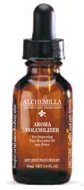
A coconut derived solubilizer. Enables water and oil to mix. |
|
1.0 fl.oz $7.50 |

|
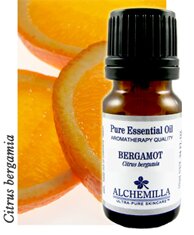
Bergamot Essential OilOrganic Bergamot Essential Oil: 100% pure and undiluted, therapeutic quality aromatherapy oil. Source: Scent: Aromatherapy Properties: Jubilant, jovial and refreshing Bergamot essential oil (from Citrus bergamia) brings welcome relief to tense, stressed bodies. Not to be confused with the Bergamot herb (Monarda didyma), the reviving, radiant aroma makes Bergamot the essential oil of choice for the convalescent and for relieving depression and grief. Bergamot essential oil is a top note and one of the major ingredients of Eau de Cologne as well as other toilet waters and fragrances. See Dilution Guidelines for how to use this Essential Oil for: Vaporization; Direct Inhalation; Massage; Therapeutic Bath; Aromatherapy Diffuser Composition: Blends well with: Phototoxic Effects of Bergamot Essential Oil If this essential oil is to be used in a leave-on topical product (eg. body lotion, massage oil), the maximum concentration recommended by the International Fragrance Association (IFA) (bergamot, orange, mandarin, lemon, grapefruit) is up to 0.5%, depending upon concentration of terpenes. For example, if you have 30 grams of skin lotion or carrier oil, up to a maximum of 1.5 grams of citrus essential oil is considered safe by the IFA*. * D.G. Williams, The Chemistry of Essential Oils, Micelle Press, 2006
|

Alchemilla Essential Oils
At Alchemilla we carefully select and expertly blend the highest quality, organic, undiluted essential oils to ensure an authentic and most enjoyable aromatherapy experience. Every Alchemilla essential oil and blend is individually boxed, making it a perfect gift for someone special.
Disclaimer
As with all essential oils, always dilute before using on the skin. Essential oils can irritate skin, some are flammable and some can be toxic if ingested - keep them away from eyes, mouth, children and open flame. Never take essential oils internally unless under direct supervision from an aromatherapy practitioner. For more detailed safety information, please read our full article: Essential Oil Safety.
|
||||||